

The Hands That Steer the Invisible Tide
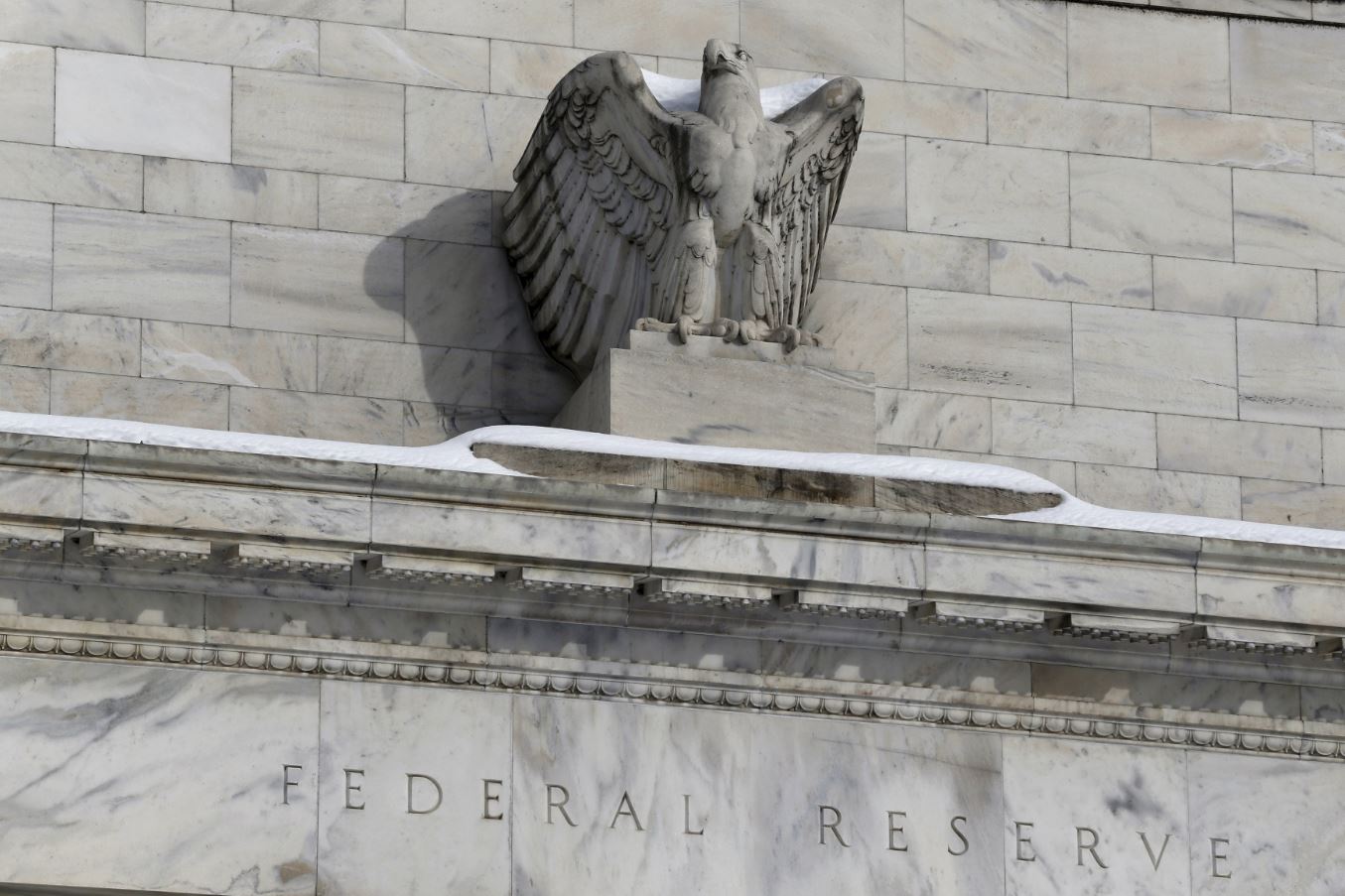
Central banks guide confidence, liquidity, and the rhythm of global finance
The Quiet Power of Monetary Design
At the heart of every economy sits an institution whose influence rarely appears on the surface but whose decisions shape nearly every transaction that follows. Central banks wield the tools that govern the flow of money, adjusting its cost, its supply, and its direction. Their task is deceptively simple, to maintain price stability and support employment, yet each decision they make ripples through markets, currencies, and households. The design of monetary policy combines art and engineering. The art lies in judging sentiment, in sensing when optimism runs too hot or when fear suppresses activity. The engineering lies in managing balance sheets, reserves, and rates to keep credit moving without allowing excess. Modern central banks must walk a line between transparency and caution. Speak too openly and markets may overreact, remain too silent and confidence fades. The quiet power of monetary design rests in credibility. When people believe that inflation will stay contained and that liquidity will remain available, their behavior supports that stability. Policy therefore begins not with the lever but with the mind. Central bankers study communication as carefully as they study statistics, because expectation itself has become a policy instrument. Every rate decision, press release, and forecast becomes a part of the narrative that holds the system together.
Interest Rates and the Cost of Time
Interest rates define how societies value the future compared with the present. A higher rate rewards waiting, discourages speculation, and cools exuberance. A lower rate encourages borrowing, fuels investment, and supports recovery. Central banks adjust this price of time through their policy rates, transmitting influence through commercial banks, credit markets, and expectations. When they lower rates, they reduce the yield demanded by savers and the expense borne by borrowers, allowing projects that once looked impossible to move forward. When they raise them, they defend purchasing power by slowing the pace at which money circulates. The delicate challenge lies in judging how quickly these adjustments reach the real economy. Monetary policy operates through lags that vary by region and structure, so a decision taken today may not show its full effect for months. This delay demands foresight. Move too early and the economy may lose momentum; move too late and inflation embeds itself. The process therefore requires patience, humility, and constant feedback. Analysts often watch yield curves for clues, because they compress the collective forecast of markets into a single line. A steep curve signals belief in growth ahead, a flat or inverted one warns of tightening conditions. Through these shapes, one can read the conversation between the central bank and the economy it serves.
Liquidity, Balance Sheets, and Market Confidence
Liquidity measures the ease with which assets transform into cash without disrupting prices. Central banks guard this fluidity because it allows credit to flow smoothly between savers and borrowers. Their tools include open market operations, reserve requirements, and the composition of their own balance sheets. After crises, they expand those balance sheets by purchasing securities, providing the system with stable funding. This approach, often called quantitative easing, supports long term rates and stabilizes risk appetite. When the economy strengthens, they unwind these holdings, letting markets resume normal price discovery. The process is delicate. Too rapid a withdrawal can choke lending, too slow a retreat can inflate bubbles. The credibility of a central bank’s exit plan shapes investor confidence as much as the intervention itself. Liquidity is also psychological. The belief that funding will be available prevents panic, while doubts about it can freeze activity even when reserves remain high. Therefore, communication once again becomes a stabilizing force. Statements about readiness to act or standing facilities that ensure short term funding help preserve calm during turbulence. The history of modern finance demonstrates that liquidity crises are rarely about the quantity of money, but about the distribution of trust.
Exchange Rates and the Global Transmission of Policy
Monetary decisions rarely stop at national borders. In a world where trade and capital flow freely, interest rate changes affect exchange rates, and exchange rates in turn influence competitiveness, inflation, and debt dynamics. A country that raises its rates attracts foreign investment seeking yield, strengthening its currency. A stronger currency makes imports cheaper but can burden exporters who earn abroad. Conversely, lower rates weaken currency value, stimulating exports while risking imported inflation. Central banks monitor these channels carefully, especially those whose economies anchor global finance. When a large central bank tightens, the rest of the world often feels a tightening of its own, even if domestic policy remains unchanged. Emerging markets may experience capital flight as funds return to higher yielding assets elsewhere, forcing them to defend their currencies with reserves or their own rate increases. Coordination among central banks has therefore become essential during global stress. Swap lines, joint interventions, and synchronized guidance prevent destabilizing imbalances. Exchange rate policy requires subtlety, since overt manipulation invites retaliation, while neglect invites vulnerability. A successful approach allows the currency to adjust gradually, maintaining equilibrium between domestic goals and international responsibility. In this balance lies the foundation for sustained credibility.
The Balance Between Inflation and Employment
Central banks operate under dual or multiple mandates, but none is more persistent than the balance between price stability and employment. Inflation too low can signal stagnation, while inflation too high erodes purchasing power. Employment too low wastes human potential, while employment too high relative to productivity strains capacity. The equilibrium shifts with demographics, technology, and policy. During recovery phases, central banks tolerate moderate inflation to support hiring. During expansion, they lean toward restraint to prevent overheating. The art lies in reading signals that indicate when slack has vanished. Wage growth, capacity utilization, and service prices act as clues. History teaches that waiting for visible inflation before acting can lead to abrupt tightening later. Conversely, tightening preemptively can stall a fragile rebound. The feedback loop between expectations, wages, and spending complicates the task further. A credible central bank can anchor expectations, allowing time for measured adjustment. Without credibility, every small move triggers exaggerated reactions. In essence, the institution must play both physician and psychologist, diagnosing imbalances while maintaining the confidence of the patient. Each era rewrites the tradeoff slightly, as new tools and data improve understanding, but the core dilemma endures. Stability is never a permanent condition; it is a practice renewed with every decision.
Unconventional Tools and the Expansion of Mandates
In recent decades, central banks have ventured beyond traditional rate setting into new realms of influence. Facing crises that defied old models, they introduced unconventional tools such as asset purchases, forward guidance, and negative interest rates. These innovations aimed to provide stimulus when conventional rates approached zero. Quantitative easing expanded central bank balance sheets to unprecedented levels, altering bond markets and risk perceptions. Forward guidance used communication as a direct instrument, shaping expectations about future policy paths. Negative rates attempted to penalize idle reserves, encouraging lending even when pessimism prevailed. Each tool carried side effects. Asset purchases distorted yield curves, affecting pension and insurance models. Negative rates challenged banking profitability and encouraged search for yield behavior. Critics argue that these tools blur the line between monetary and fiscal policy, as central banks accumulate assets once managed by governments. Supporters counter that flexibility preserved stability when paralysis loomed. The broader question concerns mandate expansion. Should central banks address climate risk, inequality, or digital transformation, or should they remain narrowly focused on prices and employment. The debate continues as technology reshapes finance and as societies demand more resilience from their institutions. What remains clear is that unconventional tools, once temporary, now form part of the permanent repertoire of modern policy.
Digital Currencies and the Next Monetary Frontier
The rise of digital assets has forced central banks to reconsider their role in payment systems. Central bank digital currencies, or CBDCs, represent a new chapter in monetary evolution. Unlike decentralized cryptocurrencies, CBDCs combine the stability of sovereign backing with the efficiency of modern networks. They promise instant settlement, reduced transaction costs, and broader financial inclusion. Yet they also raise questions about privacy, competition with banks, and the mechanics of policy transmission. A retail CBDC could allow citizens to hold money directly with the central bank, changing how deposits and lending operate. A wholesale version could streamline interbank transfers, improving liquidity management. Implementation choices define consequences. The design of access, anonymity, and limits determines whether innovation complements or disrupts existing systems. For policymakers, the challenge lies in preserving trust while embracing transformation. Digital currencies blur the boundary between money as a claim and money as a technology. Their adoption will require new cybersecurity standards, cross border frameworks, and ethical guidelines. The digital frontier extends the reach of policy but also its responsibility. Central banks that succeed in this transition will redefine not only how money moves but also how citizens relate to it.
The Future of Central Banking
The coming decade will test central banks in ways that combine old lessons with new realities. They must navigate inflation that reawakens after long dormancy, debt levels that limit fiscal room, and technologies that accelerate capital flows beyond precedent. Success will depend on humility as much as expertise. The core mission remains unchanged, to preserve the value of money and the confidence of society, but the path grows more complex. Coordination between monetary and fiscal authorities will shape recovery, and cooperation across borders will define resilience. Transparency will remain the shield against misinformation, while adaptability will serve as the compass when models fail. Central banks cannot promise perfection, but they can promise integrity, discipline, and evolution. In the end, their strength rests on collective belief, the shared understanding that value, once trusted, continues to circulate. When that belief holds, the invisible tide moves in balance, and the world’s economies keep their rhythm through cycles of uncertainty and renewal.